

Correct Cleaning and Maintenance Methods in Vitreous China Products
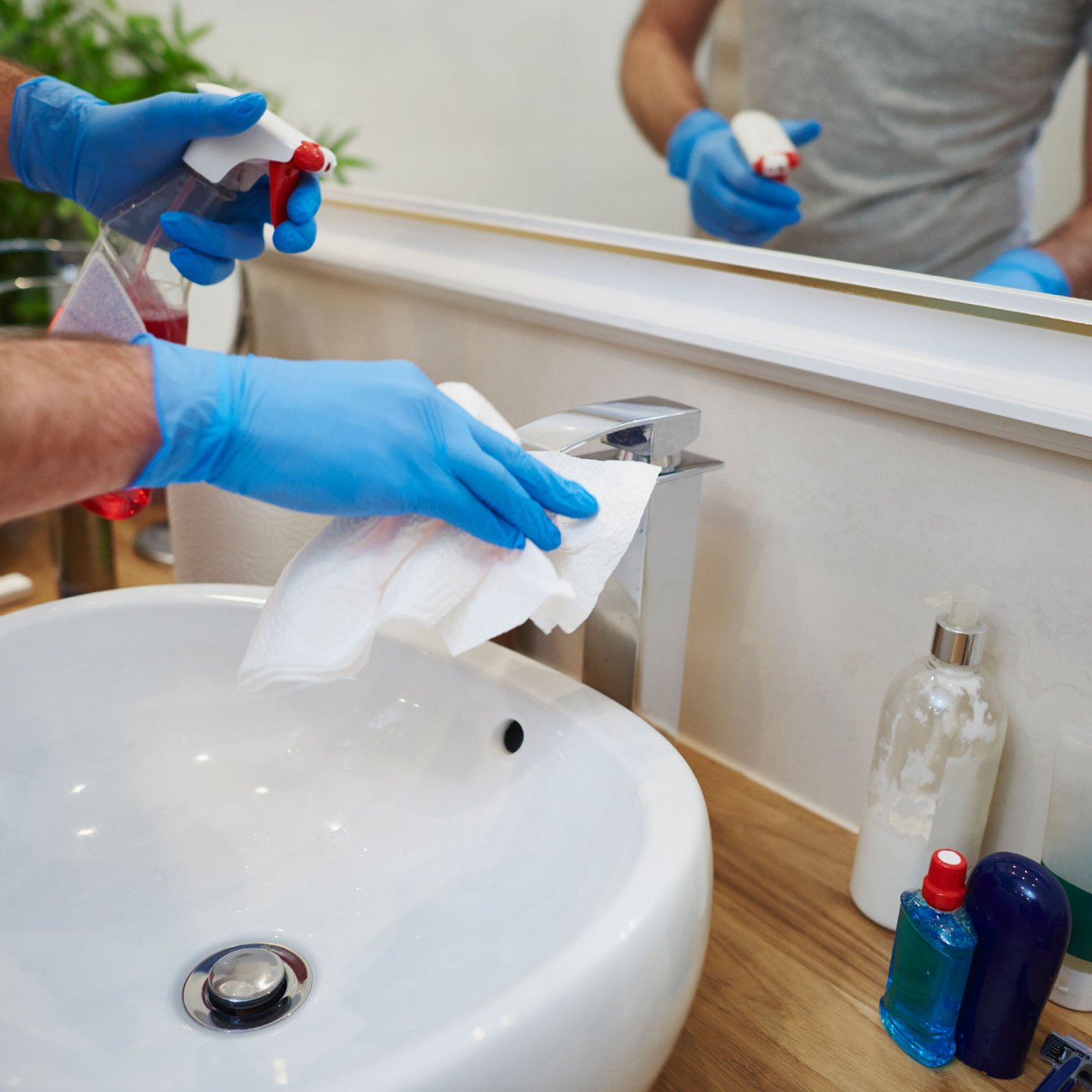
❝Learn the correct cleaning and maintenance tips to extend the lifespan of your vitreous china products. Use your bathroom items safely.
In modern living spaces, bathrooms are among the most important areas where we relieve the fatigue of the day and perform our personal care. Keeping these areas hygienic, aesthetic, and durable depends on protecting the sanitary ware products with correct cleaning and maintenance processes. These special porcelain or ceramic-based products, such as washbasins, toilets, cisterns, bidets, and bathtubs, require a meticulous approach to both protect our health and preserve their original elegance. Incorrect cleaning habits can lead to permanent damage to surfaces and shorten the lifespan of the products.
The Importance of Surface Structure in Sanitary Ware
Sanitary ware products are produced from special raw materials fired at high temperatures and are usually coated with a glaze layer. This glaze layer gives the products a smooth, glossy, and water-resistant property. However, this sensitive structure can remain vulnerable to harsh chemicals or abrasive cleaning tools. Damage to the surface protective layer can pave the way for dirt and limescale to cling more easily to these areas.
When establishing correct cleaning routines, it is essential to choose gentle materials that will not disrupt the surface structure. Metal sponges, wire brushes, or abrasive powdered detergents leave scratches on the glaze layer, leading to dullness over time. Therefore, soft sponges and microfiber cloths should be used during the cleaning process.
Daily Cleaning and Hygiene Routines
To ensure that hygiene is sustainable in bathroom and sanitary ware products, regular yet gentle cleaning steps should be applied. Practical cleanings performed daily or a few times a week prevent heavy dirt and limescale accumulations.
- Wipe the surfaces with a damp microfiber cloth and mild soap-based cleaners.
- Perform dry wiping with a dry cloth after cleaning to prevent water spots from remaining on the products.
- Delay limescale formation by regularly wiping water droplets accumulated around faucets and fixtures.
- Keep the interiors of toilets and washbasins clean with a light rinse after daily use.
Methods to Combat Limescale and Soap Residues
Depending on the hardness level of the water, limescale stains may appear on sanitary ware surfaces over time. In addition, body oils and soap residues can form an invisible thin layer on the surface. Instead of resorting to overly aggressive chemicals to remove such stubborn stains, controlled methods should be followed.
Vinegar-based natural solutions or mildly formulated limescale remover products produced industrially can be preferred for removing limescale stains. During application, it is important not to leave the products on the surface for a long time and to rinse thoroughly with plenty of water. The rinsing step cuts off the long-term contact of chemical residues with the surface, protecting the color and brightness of the material.
Mistakes to Avoid During the Maintenance Process
Some common mistakes made in the maintenance of sanitary ware products can permanently damage the structure of the products. At the beginning of these mistakes comes mixing different chemical cleaners with each other. The combined use of bleach with hydrochloric acid or other acidic products can cause harmful gas emissions as well as staining on ceramic surfaces.
Another common mistake is applying very high-temperature water or steam machines directly to cold ceramic surfaces. Sudden temperature changes can lead to stresses and capillary cracks in the structure of the material. Care should be taken to ensure that the cleaning water is warm or at room temperature.
Tips for Long-Lasting Use
Practical habits adopted to ensure that bathroom sanitary wares protect their aesthetics and functionality for many years make a big difference. Ensuring continuity in product maintenance reduces the heavy cleaning load in the future.
Regularly ventilating bathrooms prevents the formation of mold and mildew by balancing the humidity rate. Thus, both fixtures and sanitary ware surfaces remain in a healthier environment. With the right product selection, conscious cleaning habits, and regular maintenance, you can always achieve a fresh and hygienic atmosphere in your bathrooms.